1. Safety and scope
The team explains what it can handle and which parts, like testing a site where drugs were made, need a different plan.
Moberly, MO · Randolph County
Unknown powder, syringes and stained carpet in a Moberly home all call for the same step. Stay out, keep others away and call (877) 812-4220 for removal, cleaning and disposal.
If anyone is in danger, call 911 first. For a suicide crisis, call or text 988.
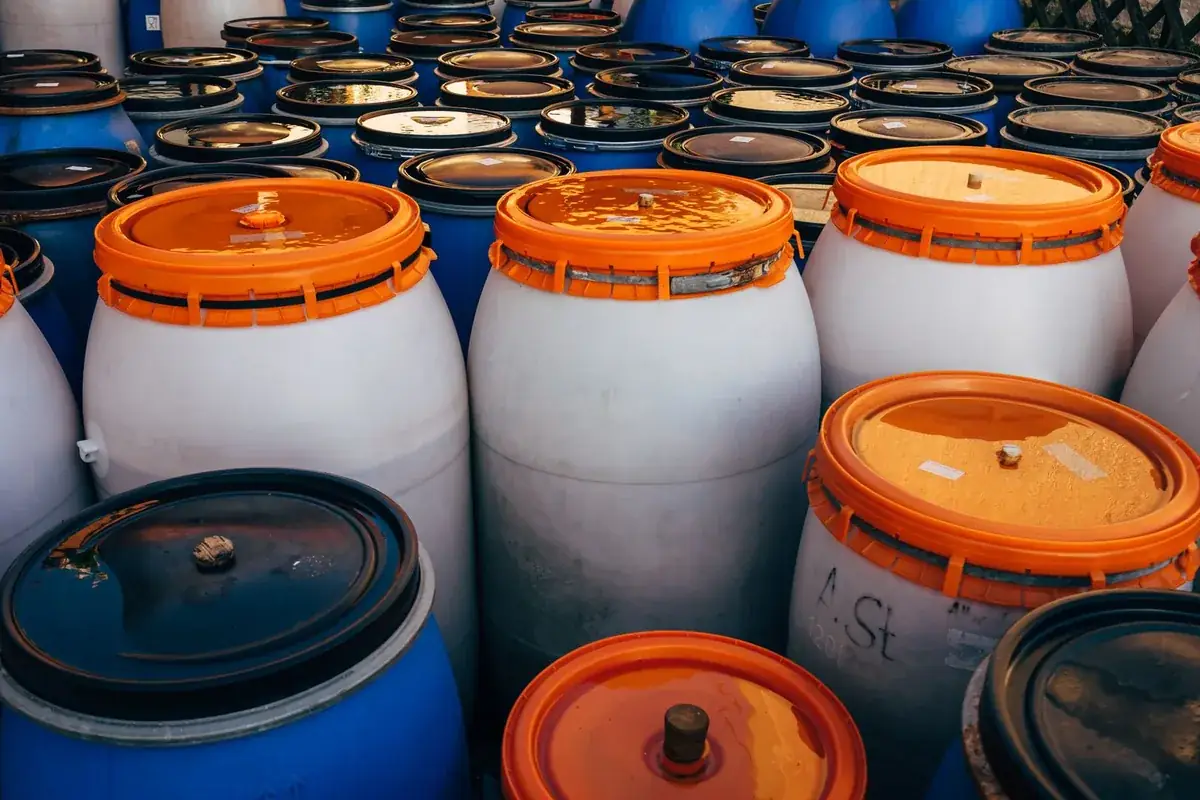
Cleaning up after drug use means handling two risks at once: sharps that can carry bloodborne pathogens and residue that can harm people who touch, breathe or swallow it.
Families in Moberly and Randolph County who need help after a loved one's crisis can call Moberly Biohazard Cleanup Help. Crews clear the room calmly and quietly and can arrive in an unmarked vehicle if privacy matters to you.
With about 41% of Moberly households renting, a unit left in poor shape after a move-out is a common reason for a cleanup call. If anyone is unresponsive or hurt, call 911. The nearest emergency room to Moberly is Moberly Regional Medical Center in Moberly, about 2 miles away.
The work often covers:
The team explains what it can handle and which parts, like testing a site where drugs were made, need a different plan.
Cleanup technicians use puncture-resistant gloves and tools. Unknown powders are never swept or vacuumed dry.
Items are lifted with tools into labeled containers. Soft materials that cannot be cleaned are removed and bagged.
Waste leaves the property, and the owner can ask for a summary of what was removed and cleaned.
The cost of drug paraphernalia cleanup in Moberly, MO depends on the amount of material, how it is packed and how it is hauled.
Odor treatment adds work when smells have settled into fabric, walls or air systems.
| Type of job | Typical range |
|---|
Figures are planning ranges from , not a price for any specific Moberly property. Price drivers include amount of material, whether residue is present, surfaces affected, waste disposal. Call (877) 812-4220 any hour.
No. This page explains how drug paraphernalia cleanup works. It is not medical, legal or insurance advice. For symptoms, contact a doctor or Poison Control, and for legal questions, ask an attorney.
The owner of the property usually pays at first. Lease terms and local law decide who is responsible in the end. A landlord, an attorney or a tenant rights group can say. Keep any record the cleanup team gives you, since a landlord or insurer may ask for it.
Standard paraphernalia cleanup is about removal, cleaning and disinfection. Testing is a separate step, usually tied to a site where drugs were made. Ask the team and the local health department what testing, if any, applies to your property.
Often, yes. Many teams can arrive in an unmarked vehicle and work quietly. If privacy matters, ask about it when you call. The crew shares only what it needs to plan the work.
Police and the city do not usually clean the space afterward. The owner or the family books the cleanup once the scene is released. A cleanup team can work after the release and explain the steps. Ask the agency when the space is cleared.
Some residues can harm people who touch them, and you cannot tell by looking which ones. That is why gloves are not a substitute for professional cleanup. If skin touches something unknown, wash with soap and water and call Poison Control.
Crews work without judgment and focus on making the space safe.
Call (877) 812-4220